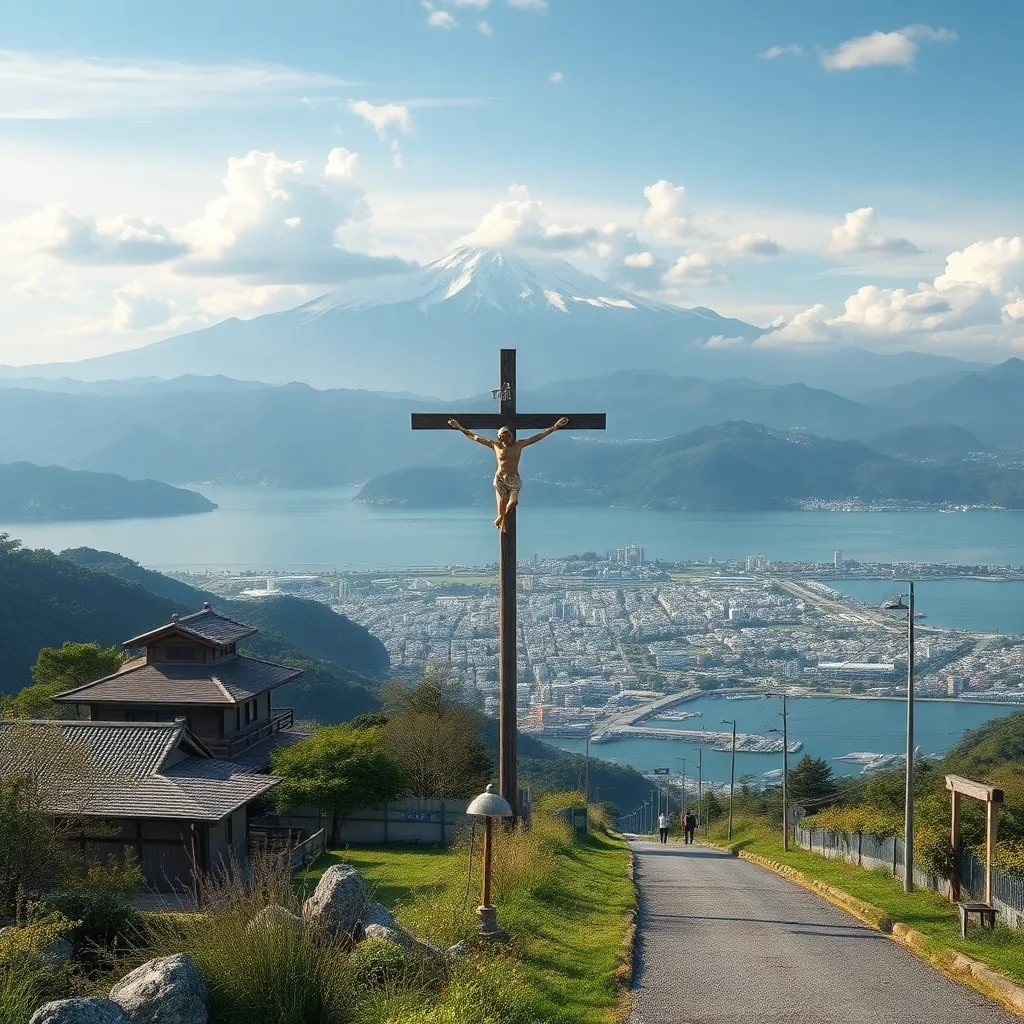
Japan’s 700-Year Crucifixion History: A Global Record?
The provided source text is an introductory snippet from an article titled ‘Haritsuke: The Brutal 700-Year History of Japanese Crucifixion.’ Due to the extremely limited content, it is not possible to generate a detailed and comprehensive summary of 280-350 words, nor can it cover specific definitions, benefits, risks, or examples of Japanese crucifixion as requested. The text primarily establishes a historical context regarding the duration of this brutal practice.
According to the excerpt, Japan potentially holds the world record for the longest continuous use of crucifixion as a form of punishment, spanning approximately 700 years. This duration is notably longer than the ancient Roman practice, which lasted for about 500 years, from roughly the 3rd century BCE until its abolition in the 4th century CE. The article highlights that Japan’s adoption of crucifixion began much later than Rome’s. The term ‘Haritsuke’ is identified as the Japanese nomenclature for this method of execution. Beyond this comparative historical timeline and the mention of the Japanese term, the provided text does not delve into the specifics of Haritsuke, such as its exact definition, the perceived ‘benefits’ for the state or society, the inherent ‘risks’ involved, or any particular historical instances or individuals subjected to this punishment. Therefore, a comprehensive summary covering all specified aspects cannot be formed based solely on this brief introduction.
(Source: https://www.tokyoweekender.com/art_and_culture/history/history-of-crucifixion-in-japan/)